School leadership rarely arrives as a clean problem with a single correct answer. The work is closer to navigation: reading signals, understanding people and choosing what must happen next with incomplete information.
The strongest leaders we meet do not perform certainty. They make the problem discussable, invite the right voices and create enough clarity for the next useful action.
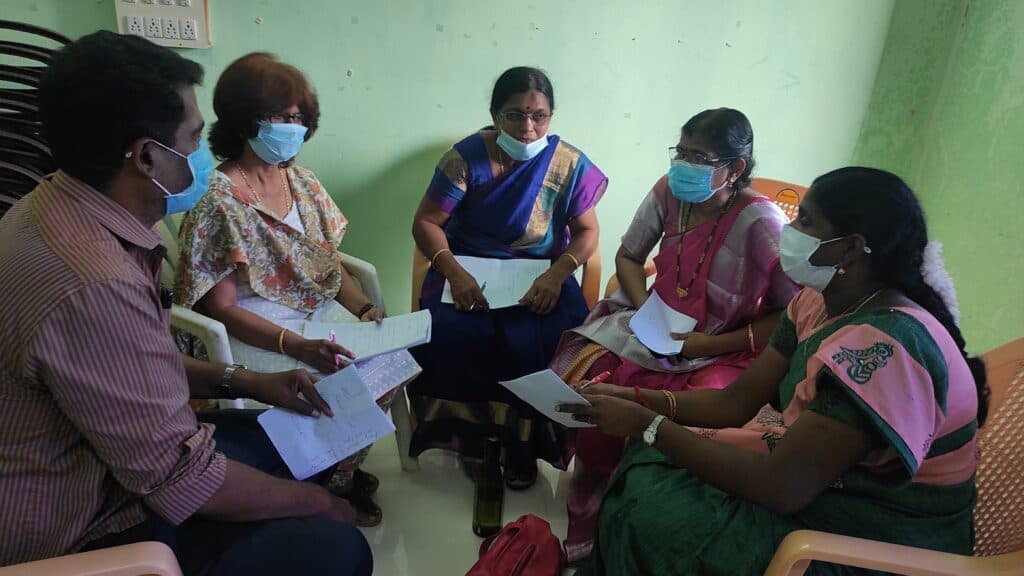
“This is why peer communities matter. Another leader may not have the answer, but they can help reveal assumptions, offer an adjacent experience and keep reflection from becoming isolation.”
Courage in leadership is often quiet: naming what is difficult, sharing responsibility and staying present long enough for a new practice to take root.