
Different learners bring different interests, needs and ways of making sense of a concept. A classroom becomes more engaging when those differences are treated as learning resources rather than disruptions.
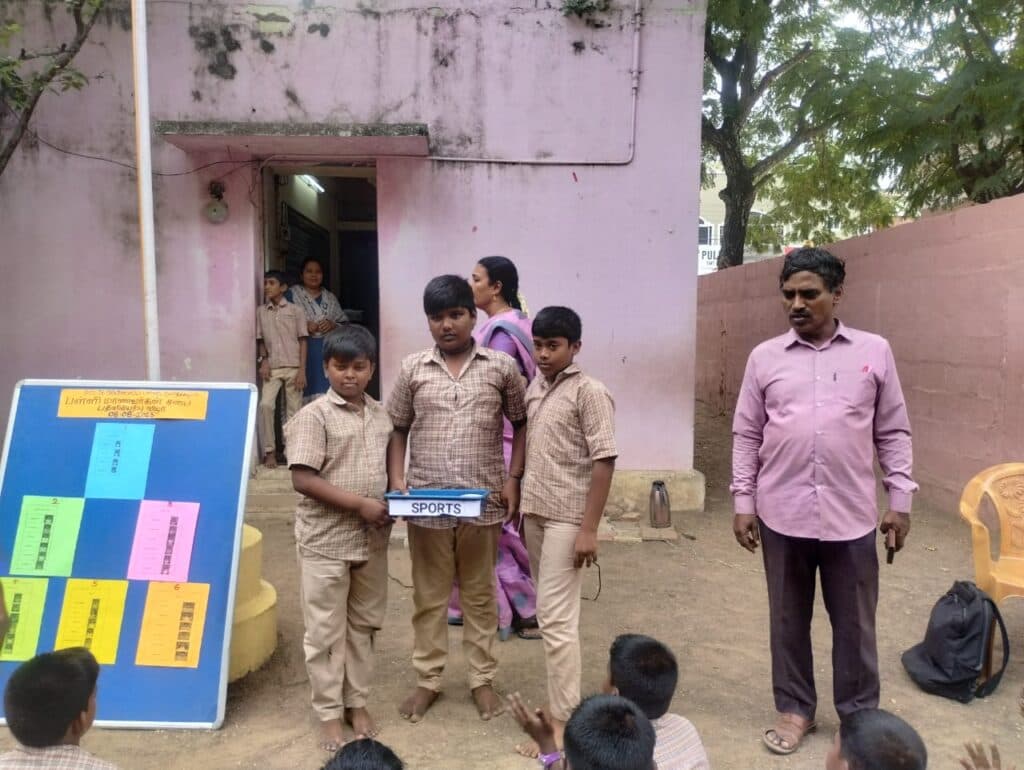
Learner autonomy can begin with small choices: how a group demonstrates understanding, which question it investigates, or how students divide responsibility for a task.
“The teacher remains essential—as a designer of conditions, a careful observer and a guide who helps children reflect on the choices they make.”
Agency grows through practice. When classrooms make space for it consistently, participation and creativity stop being special events and become part of learning itself.